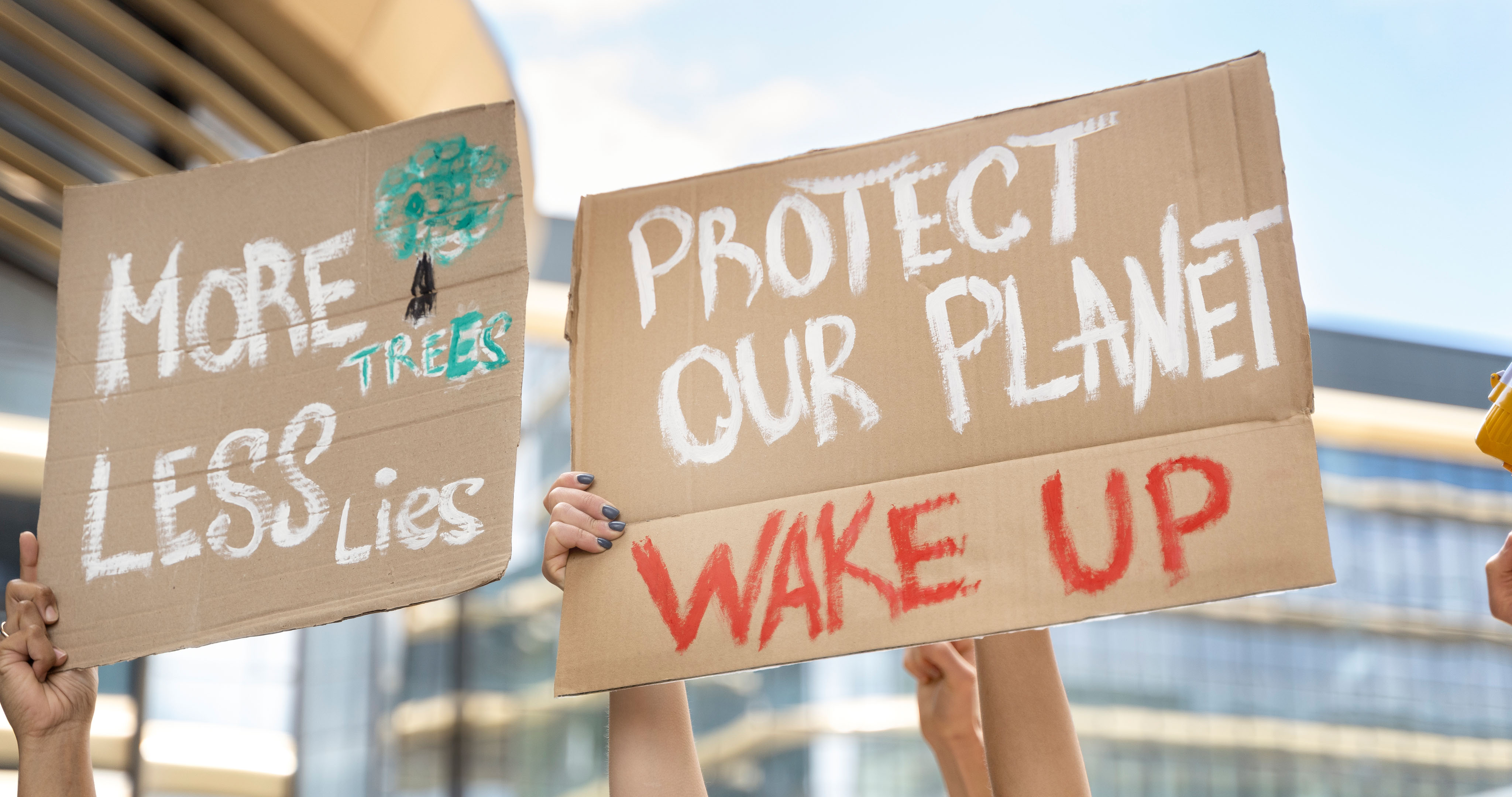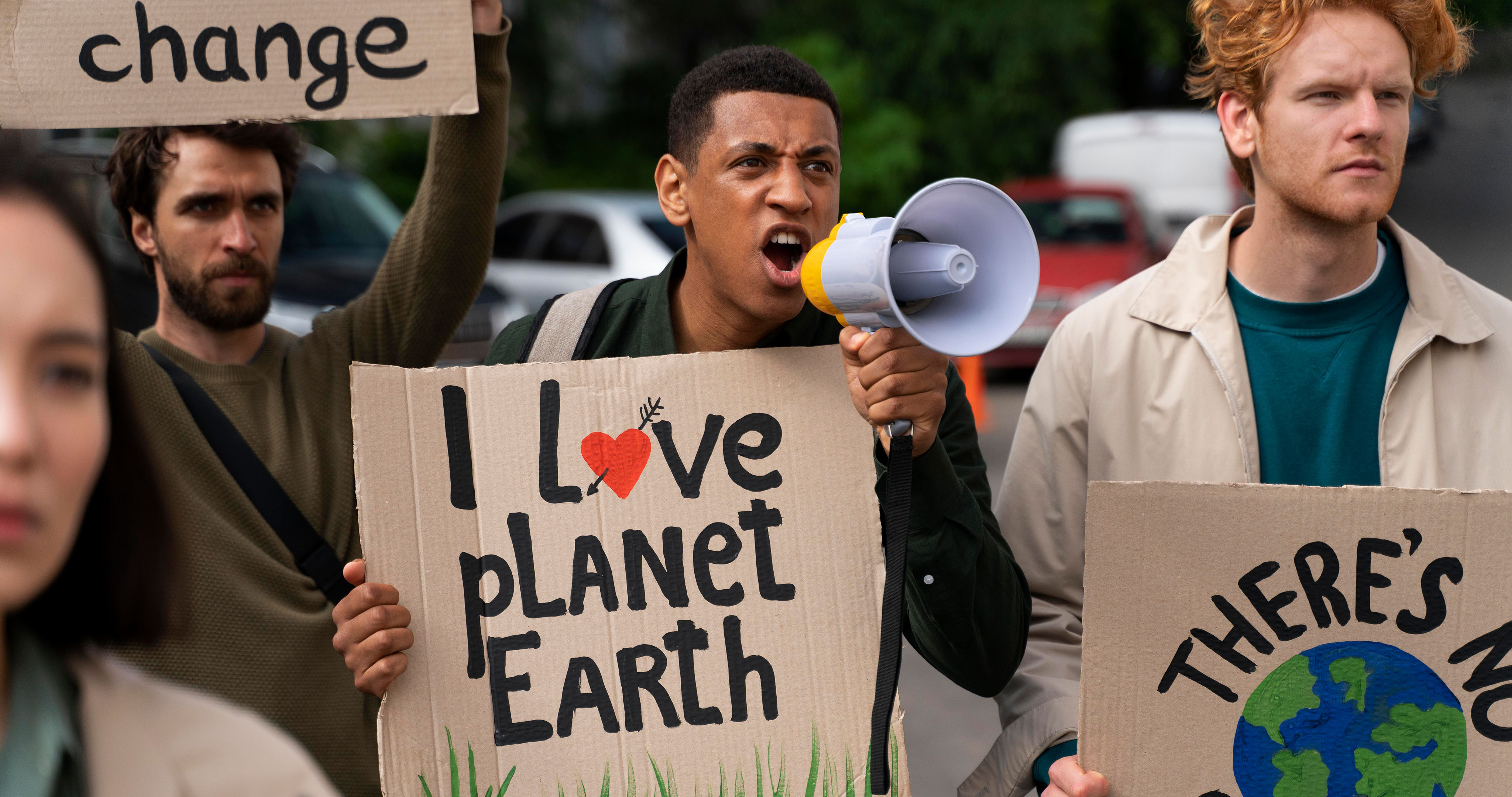
A world without climate change would be one where the Earth's natural systems remain balanced, ensuring clean air, abundant fresh water, and thriving ecosystems.
Cities would be green and sustainable, powered entirely by renewable energy, with minimal pollution and no extreme weather events like hurricanes or droughts. Human communities would live in harmony with nature, preserving biodiversity and landscapes for future generations. Agricultural productivity would be stable, supporting global food security, and technological advancements would focus on enhancing quality of life without harming the planet. Overall, it would be a world characterized by health, resilience, and harmony between humans and the environment.
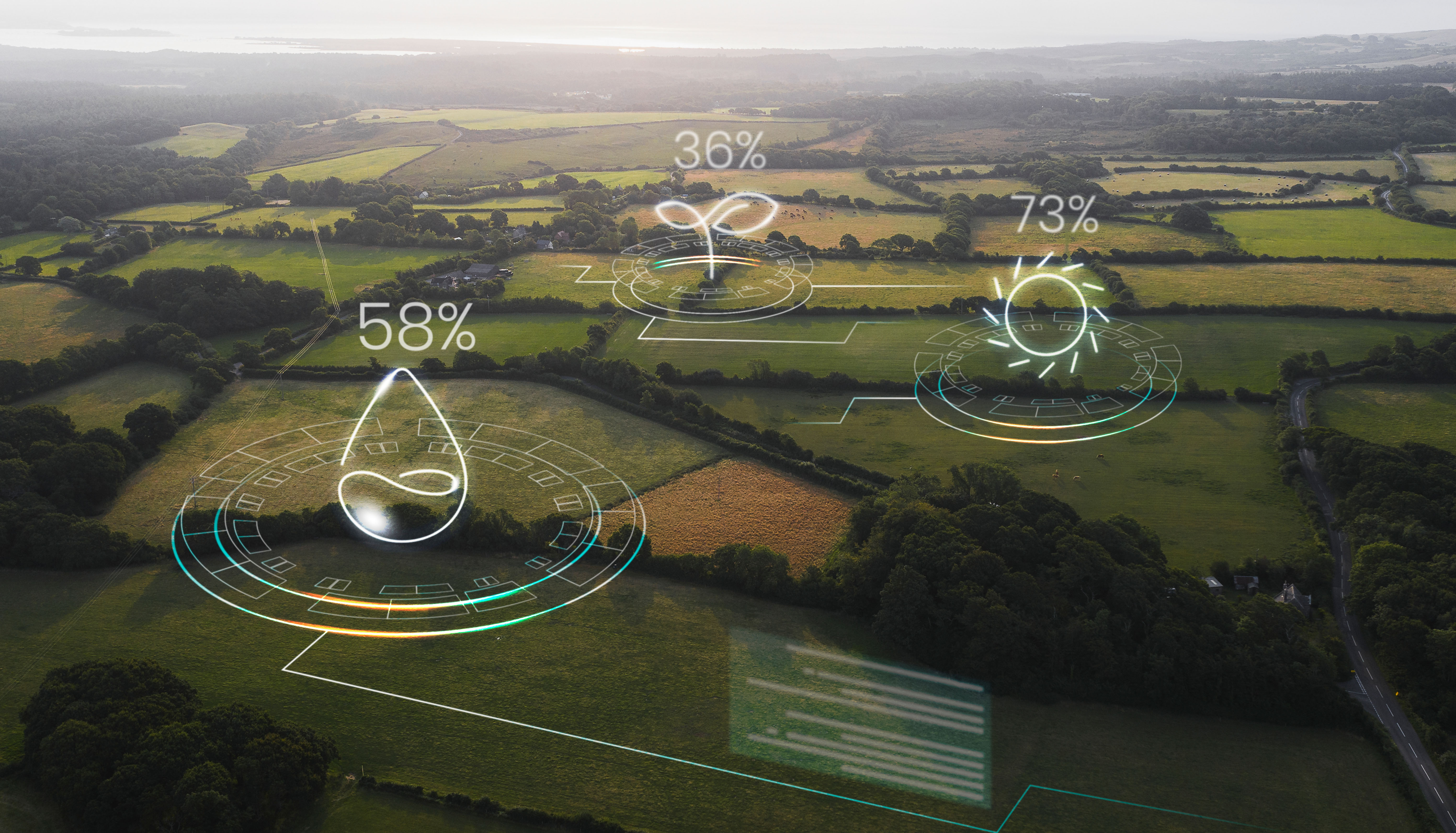
In this Gen Z era, better climate action strategies include leveraging digital platforms for spreading awareness and mobilizing activism, encouraging innovative and sustainable practices in everyday life such as zero-waste lifestyles and plant-based diets, and advocating for policy changes through youth-led movements. Emphasizing education on climate science and social justice can empower young people to push for stricter regulations on corporations and governments, while fostering community-based initiatives like urban greening and renewable energy projects. Additionally, harnessing technology for real-time environmental monitoring and supporting eco-friendly startups can accelerate progress, making climate action more inclusive, impactful, and aligned with the values of this generation.
Climate action beyond now involves a long-term, integrated approach that combines technological innovation, policy development, and cultural shifts to ensure sustainability for future generations. This includes investing in renewable energy infrastructure, developing carbon capture and storage solutions, and fostering global cooperation to set ambitious, binding climate goals. It also requires reimagining economies to prioritize circularity, resilience, and equity, while promoting education and awareness to embed sustainable practices into everyday life. Beyond immediate efforts, fostering a mindset of stewardship and intergenerational responsibility is essential, ensuring that the actions taken today create a legacy of environmental health, social justice, and economic stability for generations to come.
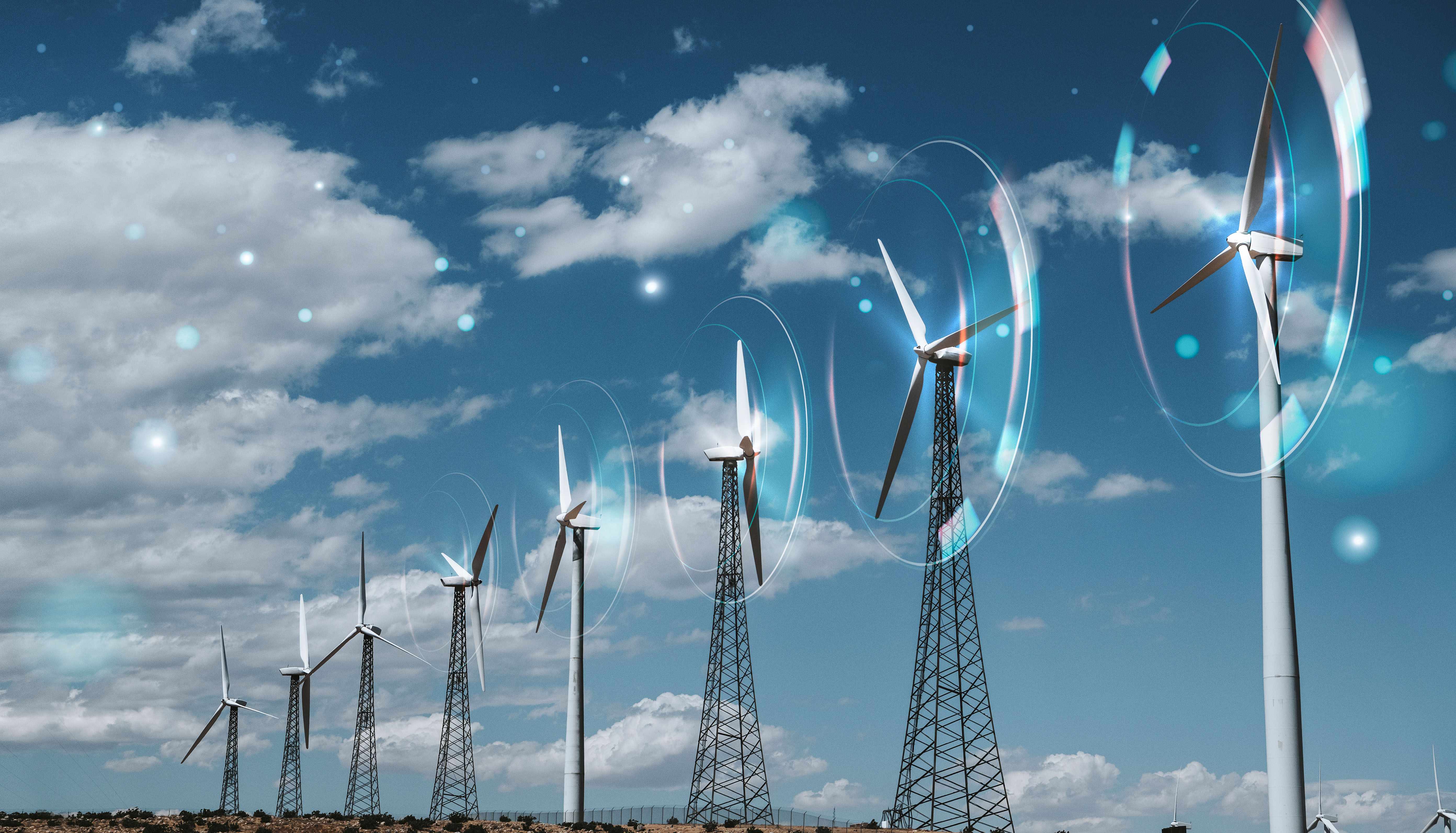
Climate action is crucial for the health and sustainability of Earth, as it involves reducing greenhouse gas emissions, protecting natural ecosystems, and promoting renewable energy sources to combat global warming. By taking proactive steps—such as reforestation, sustainable agriculture, and transitioning to clean energy—we can mitigate climate change impacts like rising sea levels, extreme weather events, and loss of biodiversity. Earth’s well-being depends on our collective efforts to preserve its ecosystems, ensure clean air and water, and maintain the delicate balance that supports all life. Ultimately, climate action is about safeguarding our planet’s future, ensuring that Earth remains a vibrant, livable home for generations to come.